

 Sign In
Synopsis
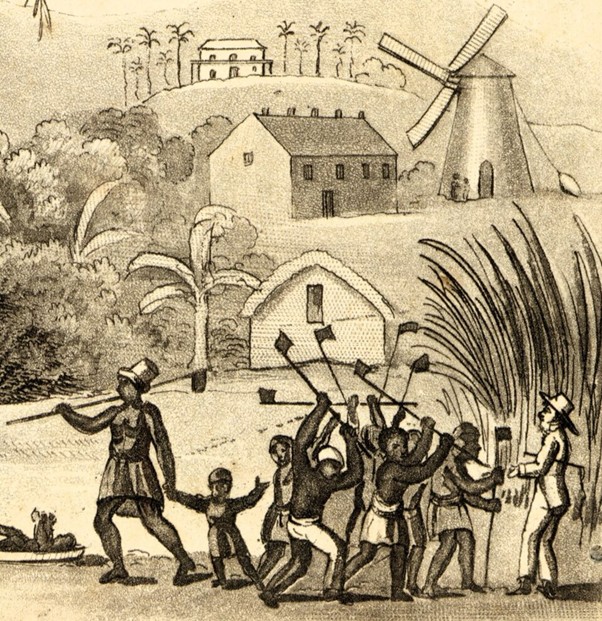
Demonstrating the impacts of racism, the Cameroonian philosopher Achilles Mbembe put forward the term necropolitics (Mbembe, 2019). It denotes an alternative way of understanding sovereignty – one that defines sovereign power as the ability to decide who may live and who must die. Central to this framework is the idea that modern states deploy specific “technologies” to produce death-worlds: social and political spaces in which people are reduced to a state of the “living dead.” Examples include extermination camps, colonial plantations, occupied territories such as Palestine, and contemporary practices like pushbacks at sea.
Racism plays a crucial role in necropolitics. It operates as the mechanism through which groups are dehumanized, rendered disposable, and positioned as legitimate targets of violence or abandonment. Through racialized logics, the state authorizes and normalizes unequal exposure to death, making necropolitics a key lens for understanding how racism shapes the politics of life and death.
Bibliography
Topics
Theories
See More