

 Sign In

Synopsis
It is difficult to find an established definition of unilateralism in the literature. Broadly, unilateralism can be defined as the tendency of a government to take action in international politics without coordination or consultation with other states, and often in disregard of international agreements or international law. In this sense, it stands in contrast to multilateralism.
However, as Brooks and Wohlforth (Brooks & Wohlforth, 2005) nuance, “Important though it is, the distinction is one of degree. Unilateralism and multilateralism are best understood as two ends of a continuum, and it is a mistake to view any politician or party as being wholly at one end or the other. The debate is not about a wholesale abandonment of all multilateral commitments, but rather about the wisdom of moving toward a more strategic approach to unilateralism.”
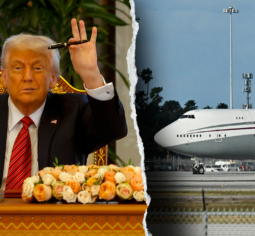
Examples of unilateral policies include the 2003 invasion of Iraq by the United States without a mandate from the UN Security Council, and the imposition of new trade tariffs by President Trump on numerous countries in 2025 – sometimes followed by bilateral deals with pressured states – in clear disregard of the rules agreed upon within the World Trade Organization (WTO).
Bibliography
Topics

See More