

 Sign In
Synopsis
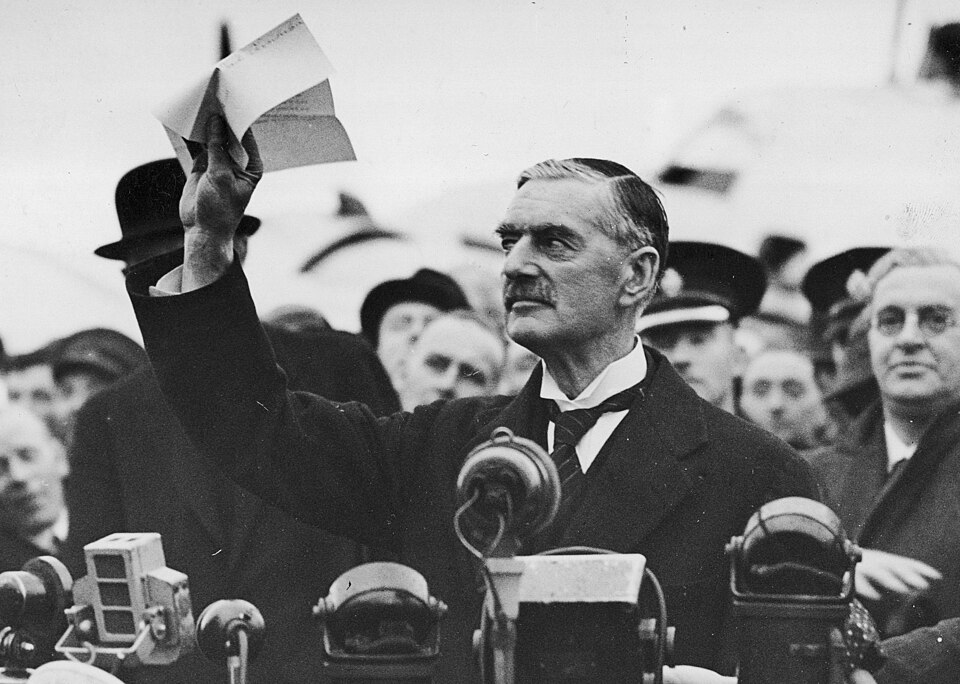
Underbalancing occurs when a state or group of states does not sufficiently balance against a potential threat. Neoclassical realism can better explain this phenomenon in situations where structural realists would predict balancing behavior. An example is the policy of Britain and France in the period 1933-1938 when dictator Adolf Hitler in his Mein Kampf had already expressed expansionist plans in eastern directions and embarked on a series of violations of the 1919 Versailles Treaty (rapid rearmaments, remilitarization of the Rhineland, Anschluss of Austria). Neoclassical realists explain this by reference to the domestic politics and flawed threat perceptions of Britain and France, and more precisely their profound fear for another great power war after the traumatic Great War (1914-1918); their underestimation of the threat posed by Hitler; the British empathy with German demands at ‘normalization’; their underinvestment in military capabilities to prioritize social-economic needs (with strong pressures from the left and trade unions); their unwillingness to form an alliance with Stalin’s USSR and their expectation that the isolationist US would not join a Western European war effort (Brawley, 2009; Schweller, 2010).
Bibliography
Topics
Theories
See More