

 Sign In

Synopsis
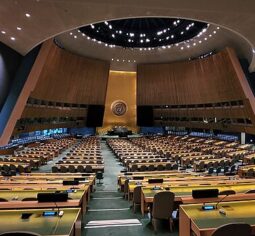
Robert Putnam’s theorization on ‘two-level games’ amounts to a combination of the level of the state and the level of the international system (Putnam, 1988). At Level I, we have multilateral forums where states negotiate (e.g. in the UN, WTO, G20). At Level II, we have the domestic arena where governmental and other actors and institutions compete over ‘the national position’ to be defended at Level I.
At Level II, states conceive their win-set, i.e. “the set of all possible Level I agreements that would ‘win’ – that is, gain the necessary majority among the constituents – when simply voted up or down.” In other words, the win-set consists of the possible deals at Level I that can receive approval at home, i.e. Level II. An international agreement is only possible when there is some overlap between countries’ win-sets.
Putnam is particularly interested in interactions between the two levels. One of his propositions is that governments that have much domestic power (in the sense that they can easily push through their proposals at home, i.e. Level II), have – paradoxically – a weaker position at the international negotiating table (Level I). The reason is that the other countries know that this leader has a broad win-set. A government with less power at home – due to its limited legal competences and the actual power of parliament – tends to have a smaller win-set, and to be a tougher negotiator at Level I. This is often the case with the US administration, which, when it comes to multilateral agreements, faces a quite stubborn Congress and other highly critical constituencies at home. This state of affairs gives the US extra power in multilateral negotiations, since it is able to pull the ultimate agreement towards its narrow win-set – provided that the others anxiously want to have a deal and to have the US on board.
Bibliography
Topics
Theories

See More