

 Sign In

Synopsis
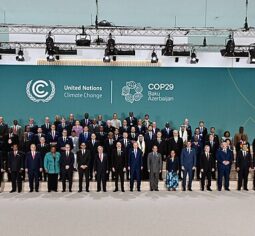
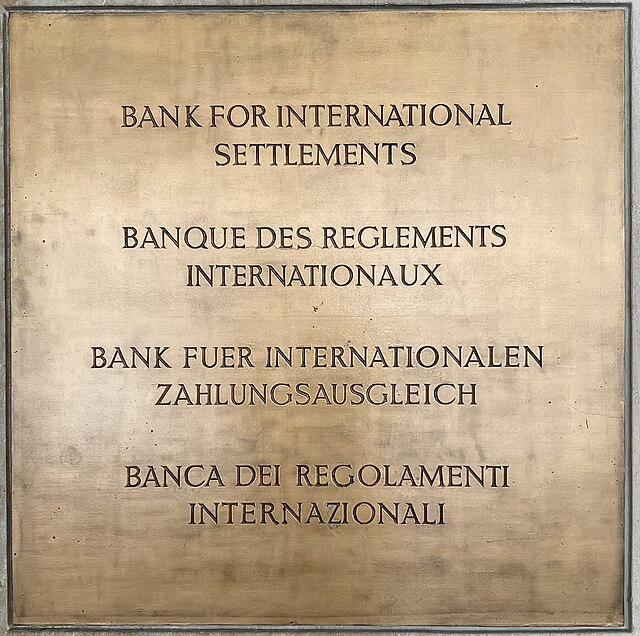
Transnational government networks are transnational networks of functional branches of national governments, often organized within multilateral institutions. We can think of technocratic forums with regular meetings of officials of health ministries, environmental ministries, intelligence agencies or national police (Slaughter, 2004). The phenomenon is also referred to as ‘transgovernmentalism’ (Baker, 2009). Within these networks, a consensus is often formed on causes, consequences and solutions with regard to important societal problems (e.g. financial stability, terrorism, climate change). These networks can be regarded as actors in their own right when they make joint decisions (e.g. advice to governments, studies, etc.), through which they exert influence. Transnational networks of parliamentarians or judges can also be included in this category, but play less impactful roles.
The proliferation and growing importance of government networks is due to the ongoing modernization and specialization of the world society. This trend contributes to an erosion of the ideal-typical Westphalian state model in which international contacts on principle occur exclusively through diplomats and embassies, run by the ministry of foreign affairs. In today’s world, the latter has lost actual control over the – often – autonomous dynamics within specialized transnational government networks, implying many functional ministries.
On a critical note, the growing influence of government networks over the daily lives of billions of people is often associated with a democratic deficit. The networks involve highly technical knowledge, are not always transparent or accessible to civil society, and actually co-determine government policy, whereas parliamentary oversight is weak. The 2008 Global Financial Crisis illustrated what can go wrong when a consensus within transnational government networks – in this case overlooking the weak spots in the Western financial systems – is flawed.
Bibliography
See More