

 Sign In
Synopsis
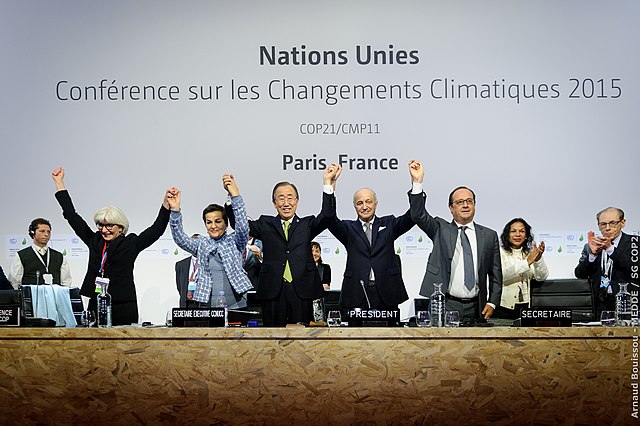
The catalytic cooperation model tackles the pessimism stemming from the prisoner’s dilemma and free rider problem in traditional approaches to the collective action problem. On a complex issue such as climate change, some states and non-state actors can have incentives to move first and adopt a more progressive policy for greenhouse gas reduction than their so-called competitors. The co-benefits of climate policy for health, well-being, the environment and energy security may outweigh the costs. Given ‘preference heterogeneity’, some actors are also happy to do more for the climate than others, because they morally value this contribution more that the material costs. As importantly, early investments in climate-friendly technology can help to reduce costs in the future (‘increasing returns’), be emulated by others so that their presence and influence in the market grows (‘network effects’), which in the long run makes clean energy solutions cheaper. According to this catalytic cooperation model, the relatively weak UN Paris Climate Agreement – which leaves it entirely to the individual member states to determine what they will do to reduce emissions, with periodical opportunities to elevate national ambitions – holds the potential for more global climate action than conventional predictions on non-cooperation to avoid free riding and cheating make us believe (Hale, 2020).
Bibliography
Topics
See More