

 Sign In
Synopsis
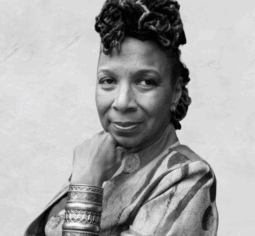
The concept of Orientalism was developed by the Palestinian professor of literature Edward W. Said. It considers how British and French colonialism, and later on American imperialism, for some centuries have dominated, through discourse and practice, the Middle East and large parts of Asia, and how Orientalism until today shapes perceptions of, and policies towards, these regions.
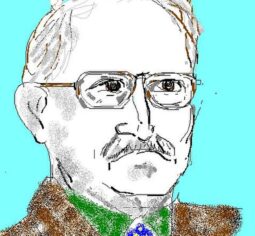
Orientalism is both a discourse and a practice. Both dimensions are closely intertwined. As a discourse, or “style of thought”, it is “based upon an ontological and epistemological distinction between ‘the Orient’ and (most of the time) the ‘Occident.’ Thus a very large mass of writers, among who are poets, novelists, philosophers, political theorists, economist, and imperial administrators, have accepted the basic distinction between East and West as the starting point for elaborate theories, epics, novels, social descriptions, and political accounts concerning the Orient, its people, customs, ‘mind’, destiny, and so on” (Said, 1978/1994, pp. 2-3).
At the same time, Orientalism is a historical and material reality as a “corporate institution for dealing with the Orient – dealing with it by making statements about it, authorising views of it, describing it, by teaching it, settling it, ruling over it: in short, Orientalism as a Western style for dominating, restructuring, and having authority over the Orient.” Therefore, Said also calls Orientalism a “project” (Said, 1978/1994, pp. 3-4).
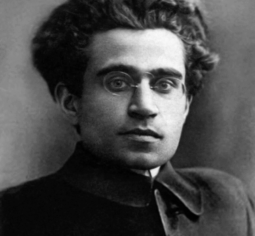
Inspired by Michel Foucault, Said recognizes the close relationship between Orientalism as a discourse and the way the Middle East and Asia have undergone actual subordination and oppression by the West. Referring to Antonio Gramsci, Orientalism is part of the cultural hegemony in the West, a hardly contested idea that the “European identity is superior in comparison with all the non-European peoples and cultures” (Said, 1978/1994, p. 7).
Bibliography
Topics
Theories