

 Sign In
Synopsis
Norms, which prescribe ‘appropriate behavior’, have always played a role in international politics. Constructivists have embarked on the task to thoroughly explain the development and effects of international norms (for a fine literature review, see: Blondeel, 2019). In 1998 Martha Finnemore and Kathryn Sikkink published a seminal article in which they define a norm “as a standard of appropriate behavior for actors with a given identity.”
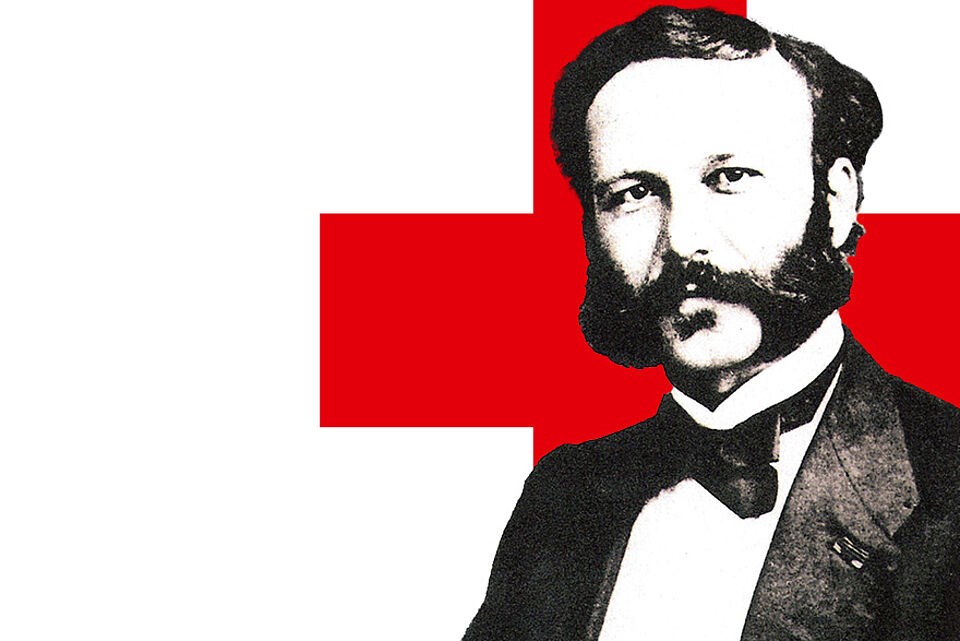
They lay out a theoretical framework explaining norm diffusion in the form of a norm life cycle. The latter comprises ‘norm emergence’, ‘norm cascade’ and ‘norm internalization.’ Norm emergence occurs through the activism, or agency, of norm entrepreneurs who challenge existing norms. Authors refer to the national and transnational activism of the movement for women’s suffrage from the 19th century onwards. Another example, which also shows the importance of creating transnational advocacy groups, is the way the Swiss businessman Henri Dunant – horrified by the cruelty of war while visiting the battlefield of Solferino in 1859 – created the International Committee of the Red Cross to campaign for the introduction of humanitarian norms for warfare, including the treatment and legal status of wounded soldiers and medical staff, prisoners of war, and the civilian population. Intergovernmental organizations can also play a role in the promotion of international norms. For new norms to become successful, it helps when they are connected in one way or another to already established norms.
After a ‘tipping point’, norm cascade sets in, which means that from then on, significantly more states come to adopt the new norm, and not necessarily under domestic pressure. Here we rather see a transnational dynamic of persuasion and socialization, with states adopting the new norm for the sake of their reputation, and more deeply, to confirm their identity as belonging to the ‘right’ category of states. Then a ‘logic of appropriateness’ becomes prevalent. Finally, in the phase of internalization, norms are no longer questioned, but taken for granted (Finnemore & Sikkink, 1998). Sometimes international norms find their way in international law.
Norm entrepreneurs usually fight an uphill battle in which they are confronted with norm contestation. The latter follows from agency of ‘norm antipreneurs’, who want to preserve the established norms (Bloomfield, 2016). New literature has emerged about how some actors undermine established norms, often with a reactionary agenda to turn the clock back towards a previous normative order. In this vein, Rebecca Sanders analyses how a coalition of actors is undermining the international women’s rights agenda. Such norm spoiling equally involves the agency and creativity of entrepreneurial actors.
Unlike norm entrepreneurs trying to build new norms against an unjust order, norm spoilers do not frontally attack established progressive norms, but deploy subtle tactics that include reinterpretations and new language, or connection with other established legitimate discourses: “In the case of women’s rights, they advance interpretations of extant human rights norms, particularly the protection of the right to life and the ‘natural family’, that accord with their preferences […] Spoilers moreover attempt to delegitimize the international women’s rights agenda by advocating cultural relativism and ‘traditional values’, and by appropriating anti-colonial critiques of women’s rights” (Sanders, 2018).
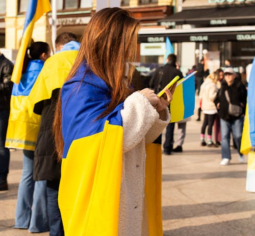
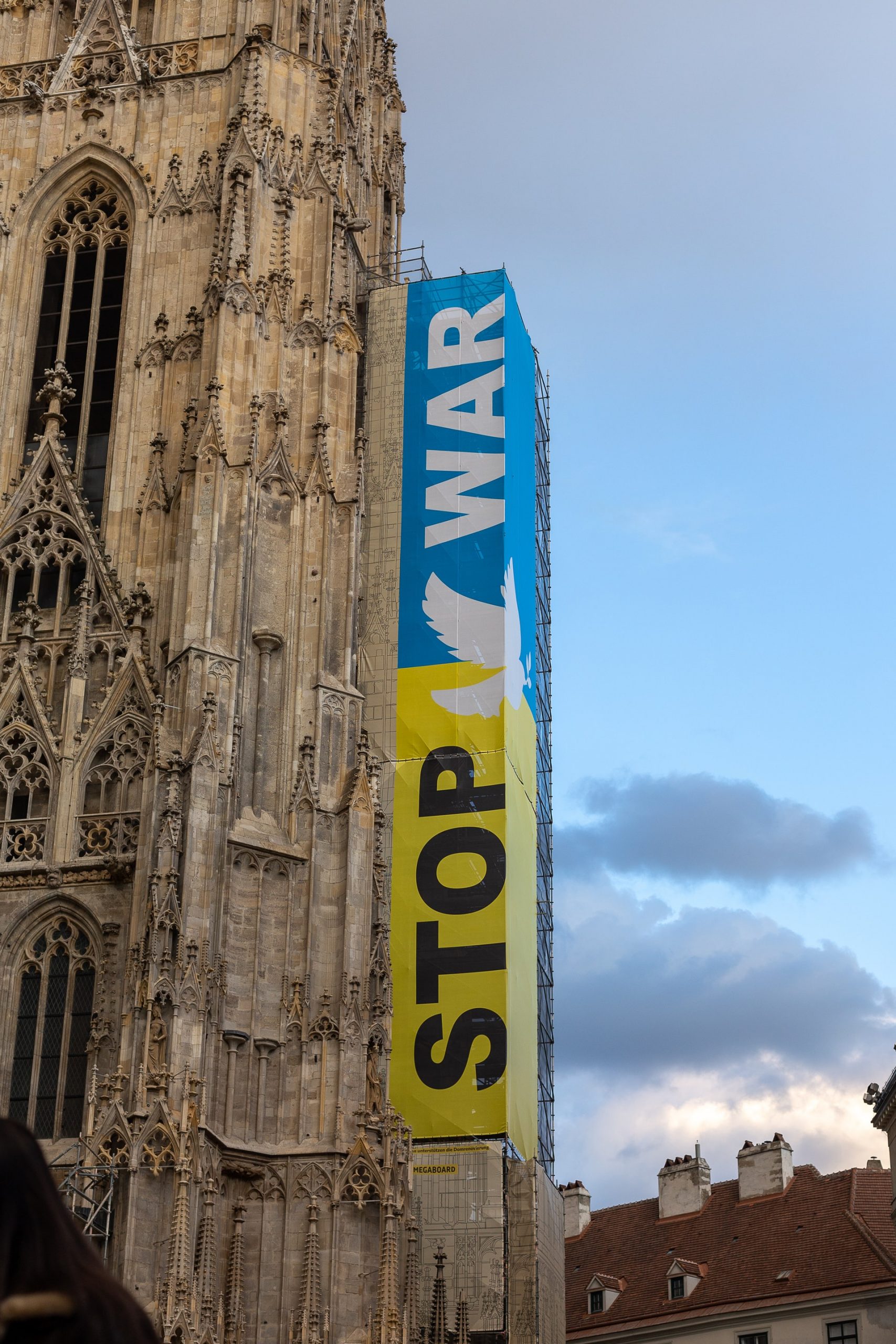
Today, as international politics gets rougher once again, norm contestation and spoiling deserve a higher place on the research agenda. For example, it is timely to consider to what extent phenomena such as the 2003 US invasion into Iraq, the international tolerance vis-à-vis the continuous expansions of Israeli settlements on annexed and occupied land of the State of Palestine, and the 2014/2022 Russian invasions and annexations in Ukraine, have been eroding international norms of non-aggression, territorial integrity and sovereignty.
Bibliography
Topics
Theories
See More